


Siding Services
Your Home. Your Vision. From the Roof Down




IDENTIFYING YOUR SIDING TYPE AND CONDITION
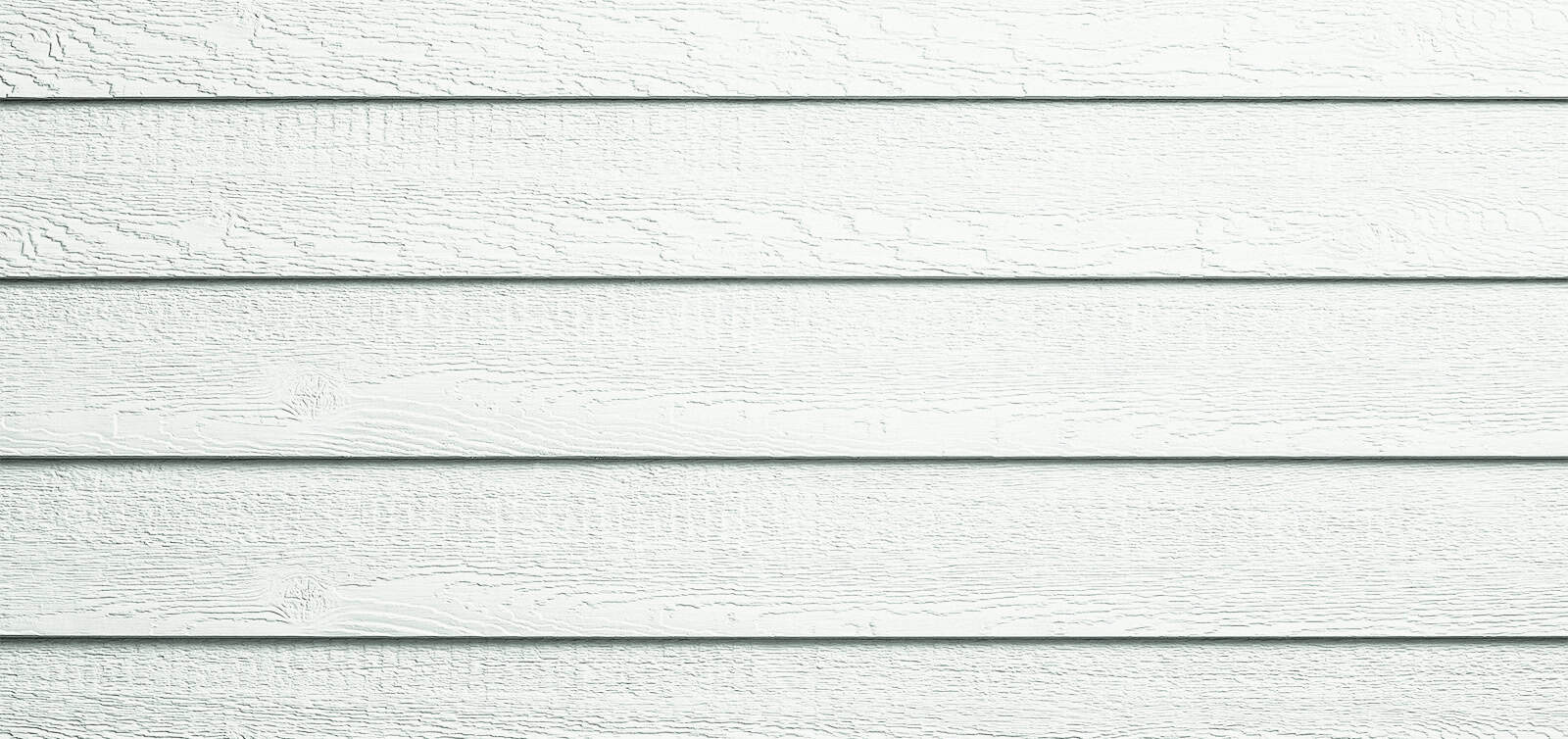
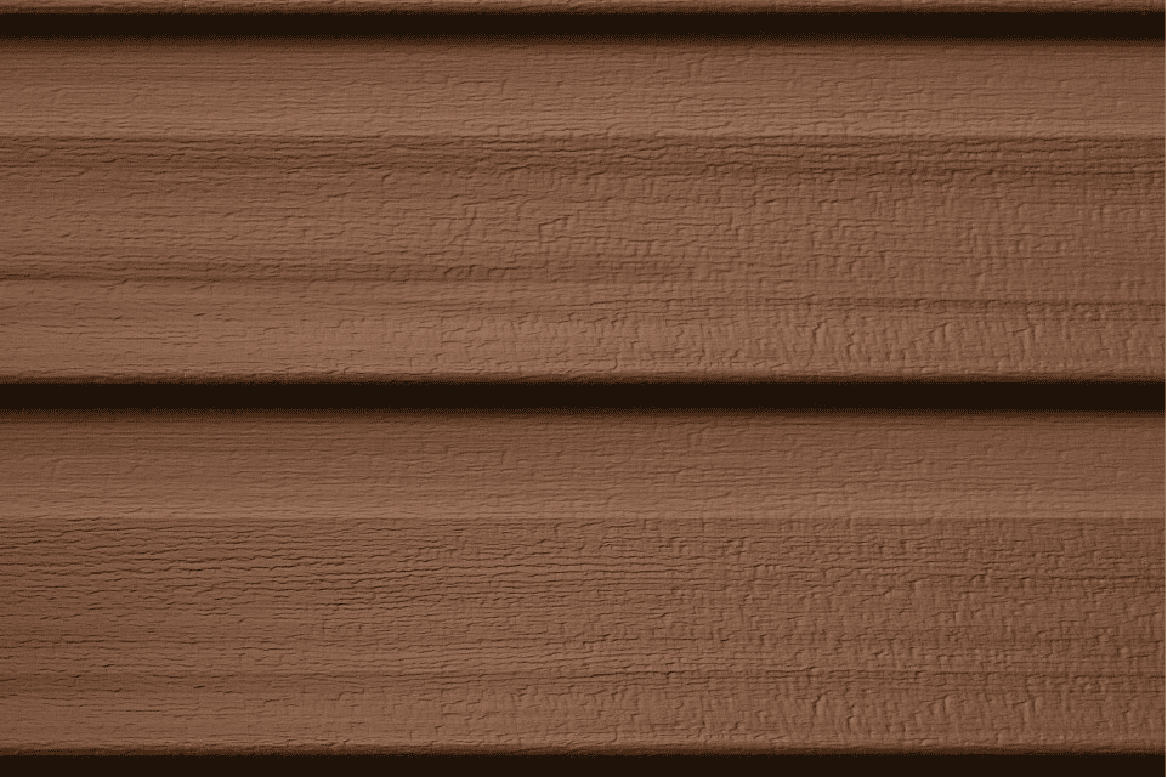
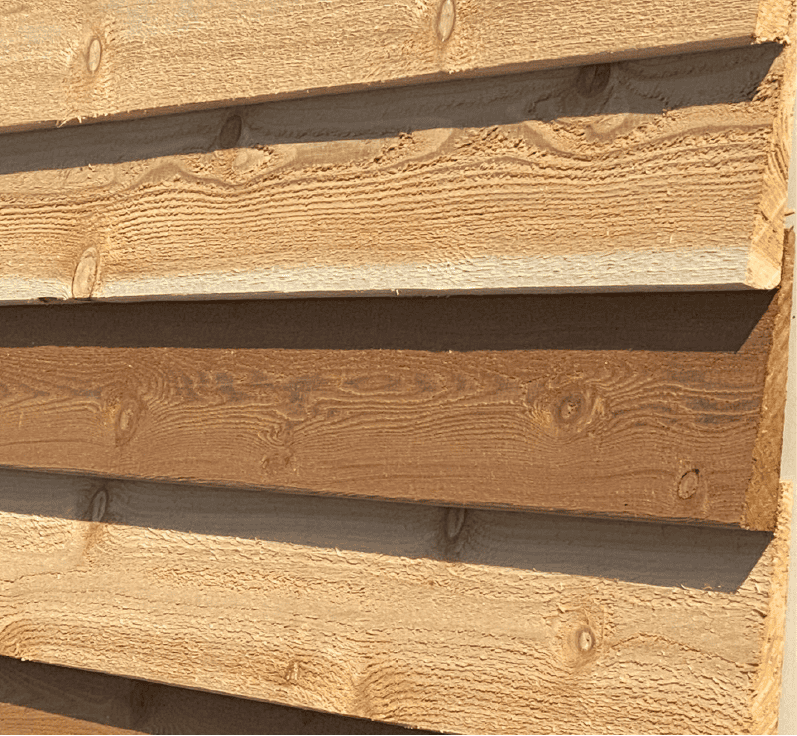
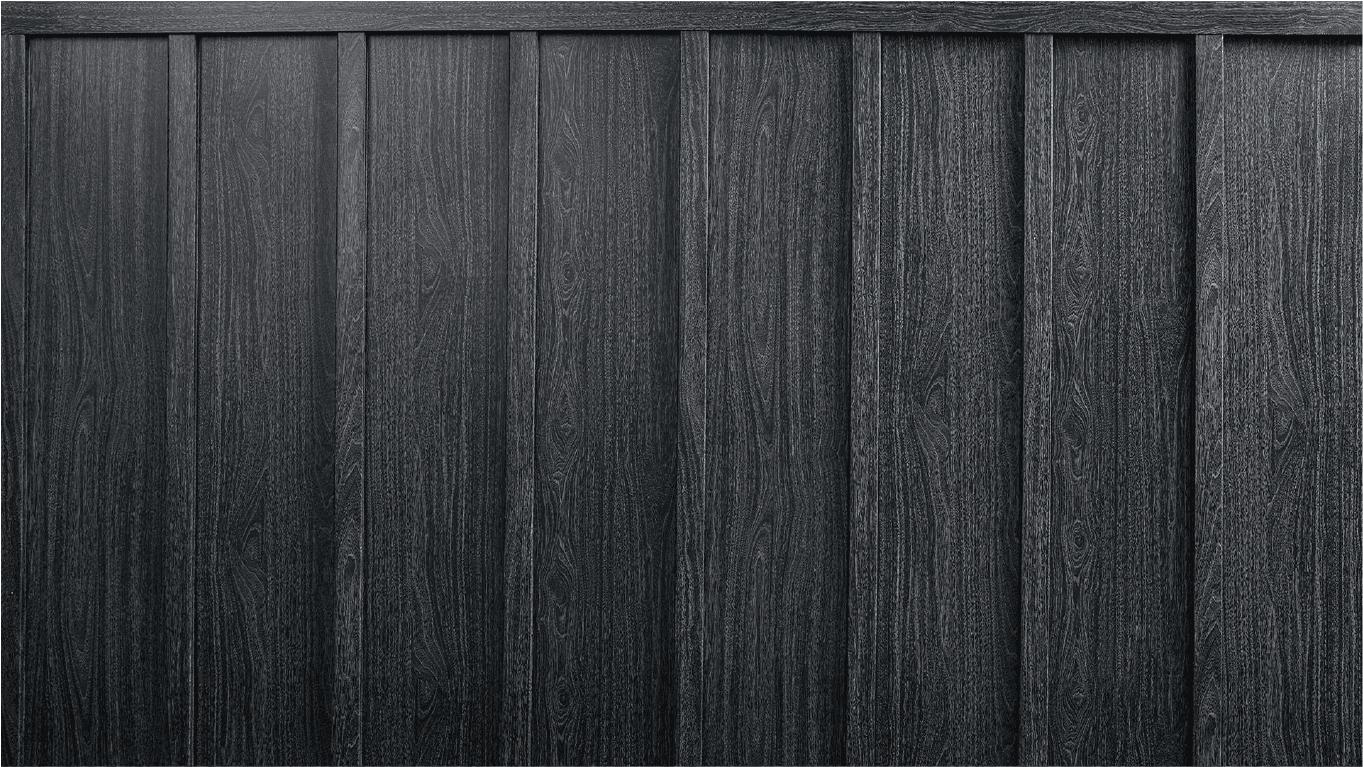
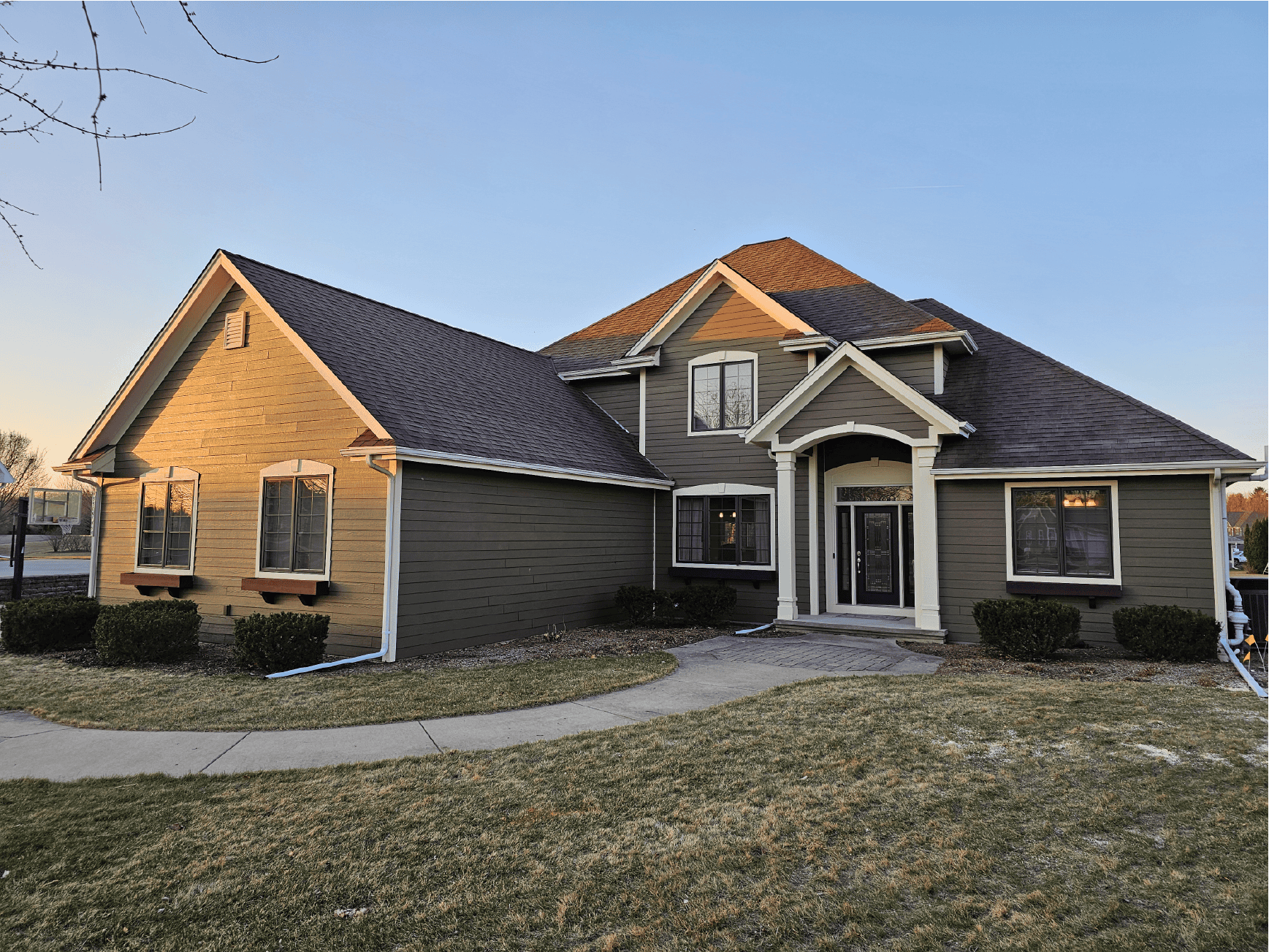
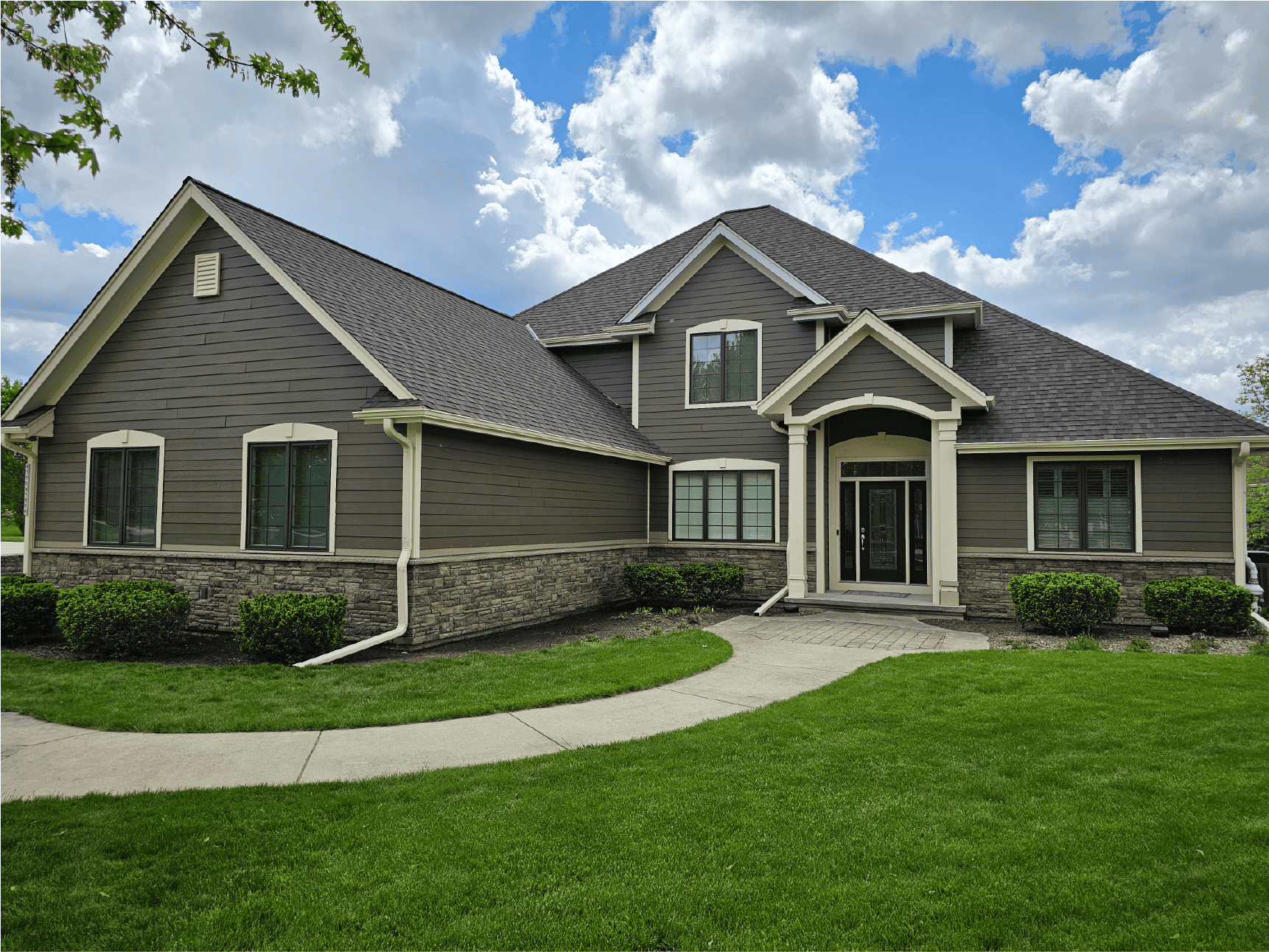
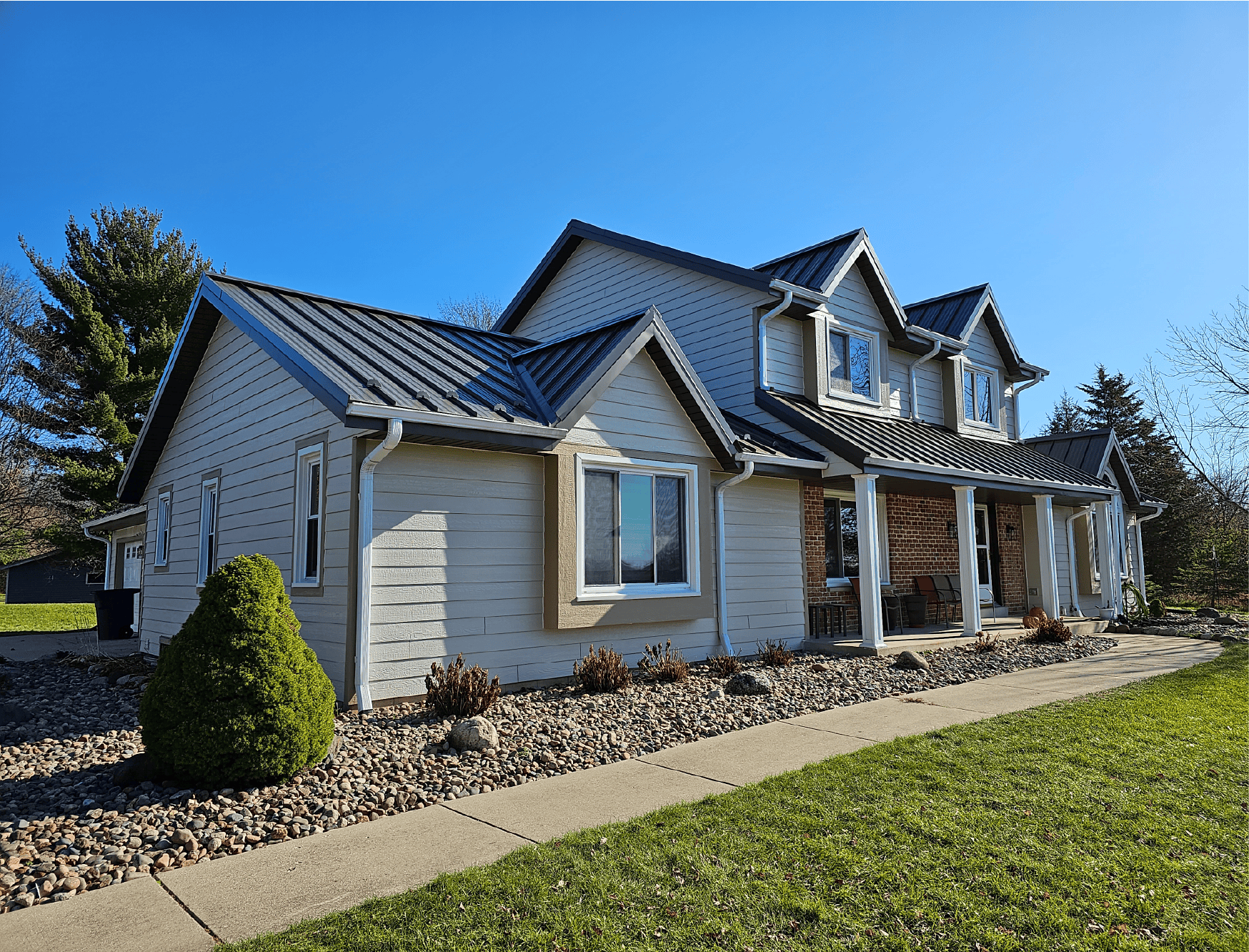
Engineered wood, vinyl siding, wood siding, and metal siding each offer a different look, level of durability, and maintenance requirement for your home. Engineered wood is a popular choice for homeowners who want the warm appearance of real wood with added strength and improved resistance to moisture, impacts, and everyday weather exposure. Vinyl siding is a low-maintenance option that provides dependable protection, a wide range of colors, and excellent value without the need for regular painting. Traditional wood siding delivers a natural, timeless appearance with rich texture and character, but it typically requires more upkeep to protect it from moisture, sun exposure, and seasonal wear. Metal siding offers a modern, durable exterior with strong resistance to fire, pests, and harsh weather, making it a great option for homeowners looking for a clean, long-lasting finish. Understanding the differences between these siding types can help you choose the best fit for your home’s style, performance needs, and long-term maintenance expectations.
Storm & Environmental Damage
Water Intrusion & Dry Rot
Weathered & Cracked Wood Siding
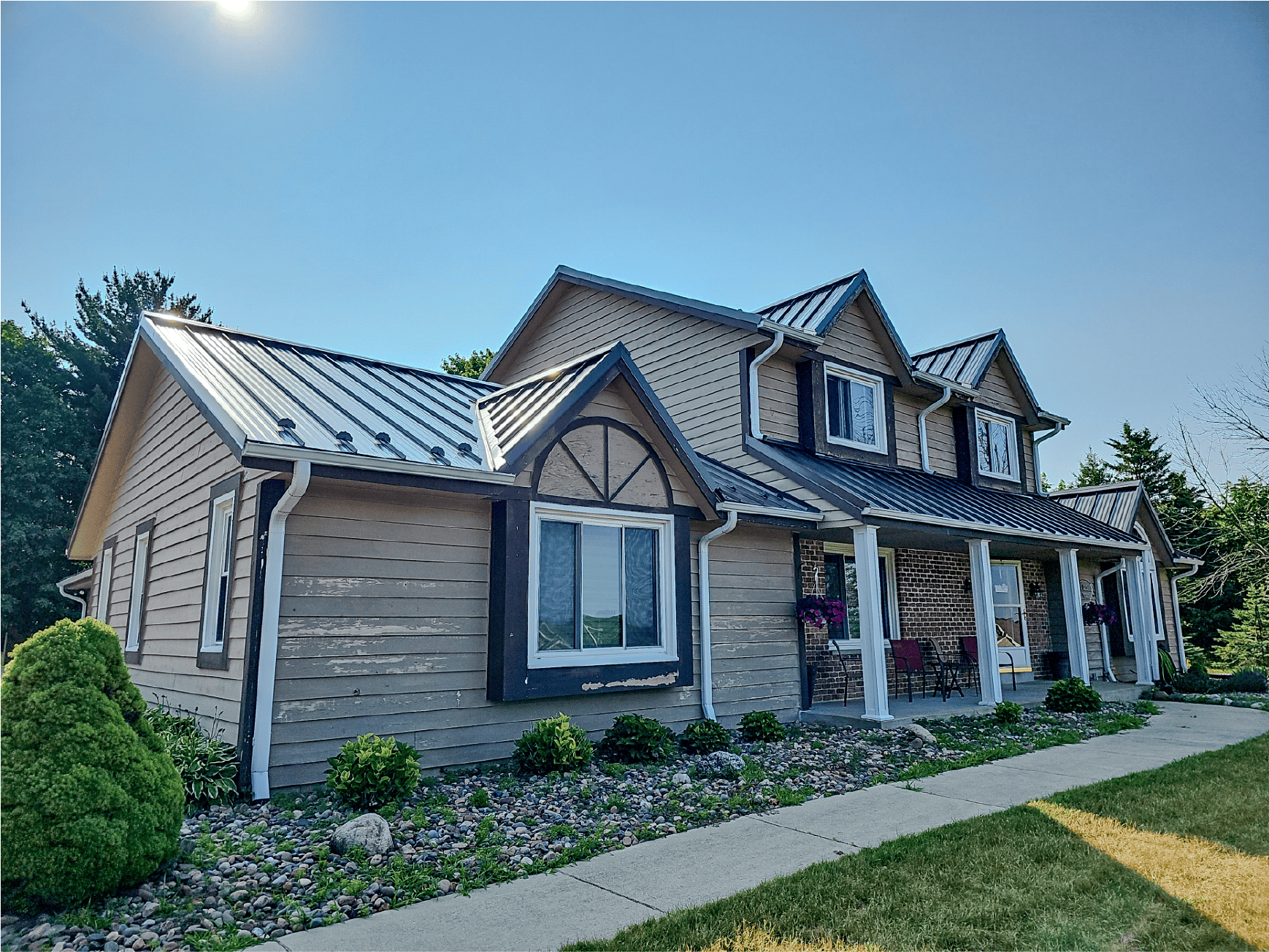
Cracked and weathered wood siding is usually the result of years of exposure to sun, rain,
snow, wind, and changing temperatures. As wood expands and contracts through the seasons, the protective paint or stain can begin to break down, allowing moisture to soak into the boards. Over time, this can cause the siding to split, crack, cup, warp, or soften, especially in areas with poor drainage, heavy shade, trapped moisture, or failing caulk and flashing. Once the surface coating wears away, the wood becomes more vulnerable to rot, mildew, and further deterioration.
Dinged & Dented Metal Siding
Dinged and dented aluminum siding is commonly caused by hail, wind-blown debris, ladders, lawn equipment, tree branches, or everyday mechanical impact around the home. While aluminum siding is durable and long-lasting, the material can show dents more easily than some other siding products because it does not flex back the same way vinyl can. Over time, older aluminum siding can also become faded, chalky, scratched, or loose, making dents and imperfections more noticeable.
Do I Need New Siding or a Siding Repair?
What makes our siding installation better?
We look at your home as a complete exterior system, not just a siding job. Proper siding performance starts with understanding the roof, gutters, ventilation, insulation, windows, doors, and moisture control.
Our installers focus on the details that matter: proper housewrap, taped seams and penetrations, window and door flashing, drip caps, trim details, corner posts, starter strips, and clean siding lines.
Siding is your home’s first line of defense against wind-driven rain, snow, and moisture. We install with long-term water management in mind to help prevent rot, leaks, and hidden damage.
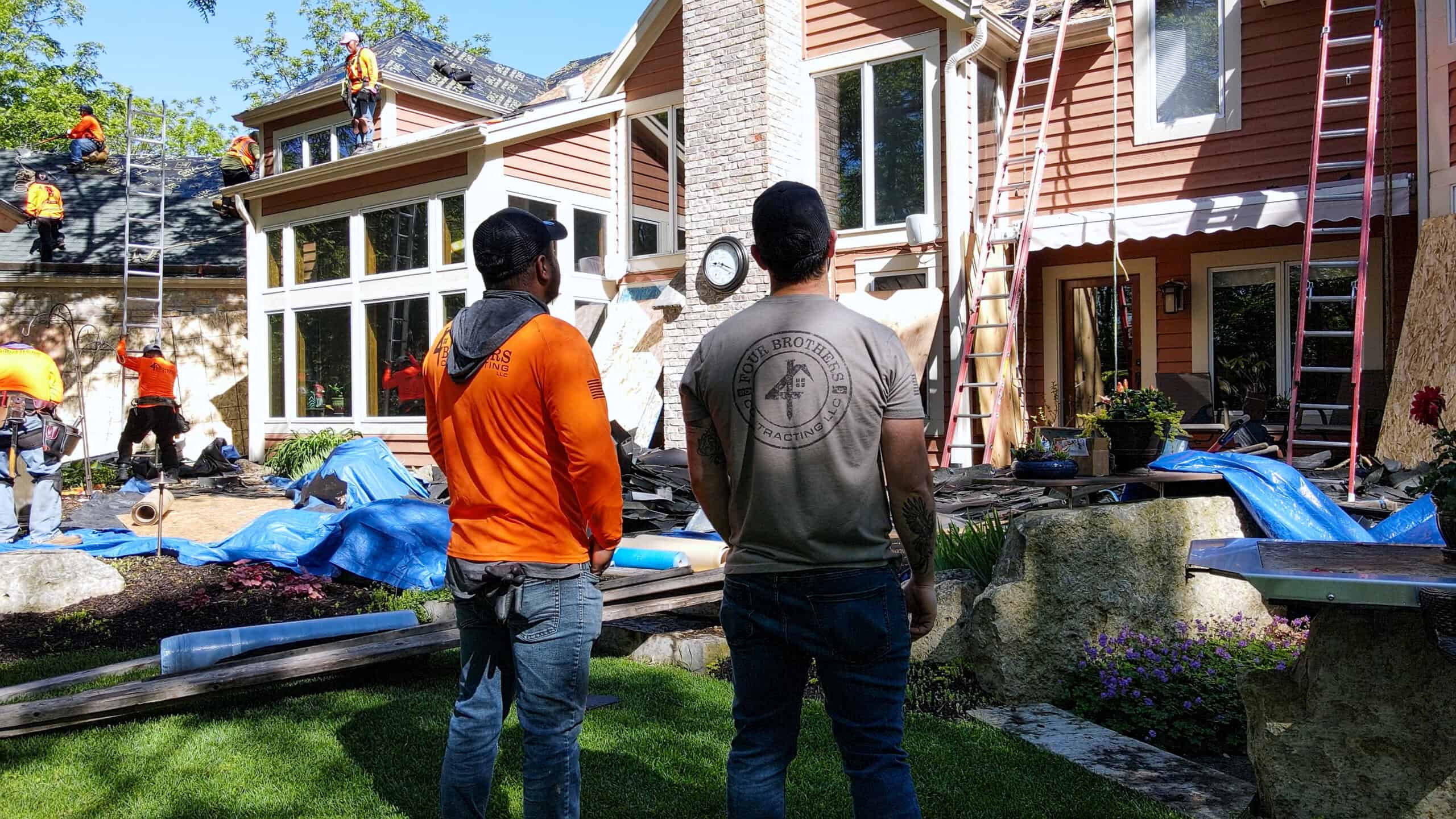
During tear-off, we inspect for damaged sheathing, rot, water intrusion, and problem areas before covering the home back up.
Our siding installers understand Wisconsin weather and how exterior materials need to perform through heat, cold, wind, hail, snow, and freeze-thaw cycles.
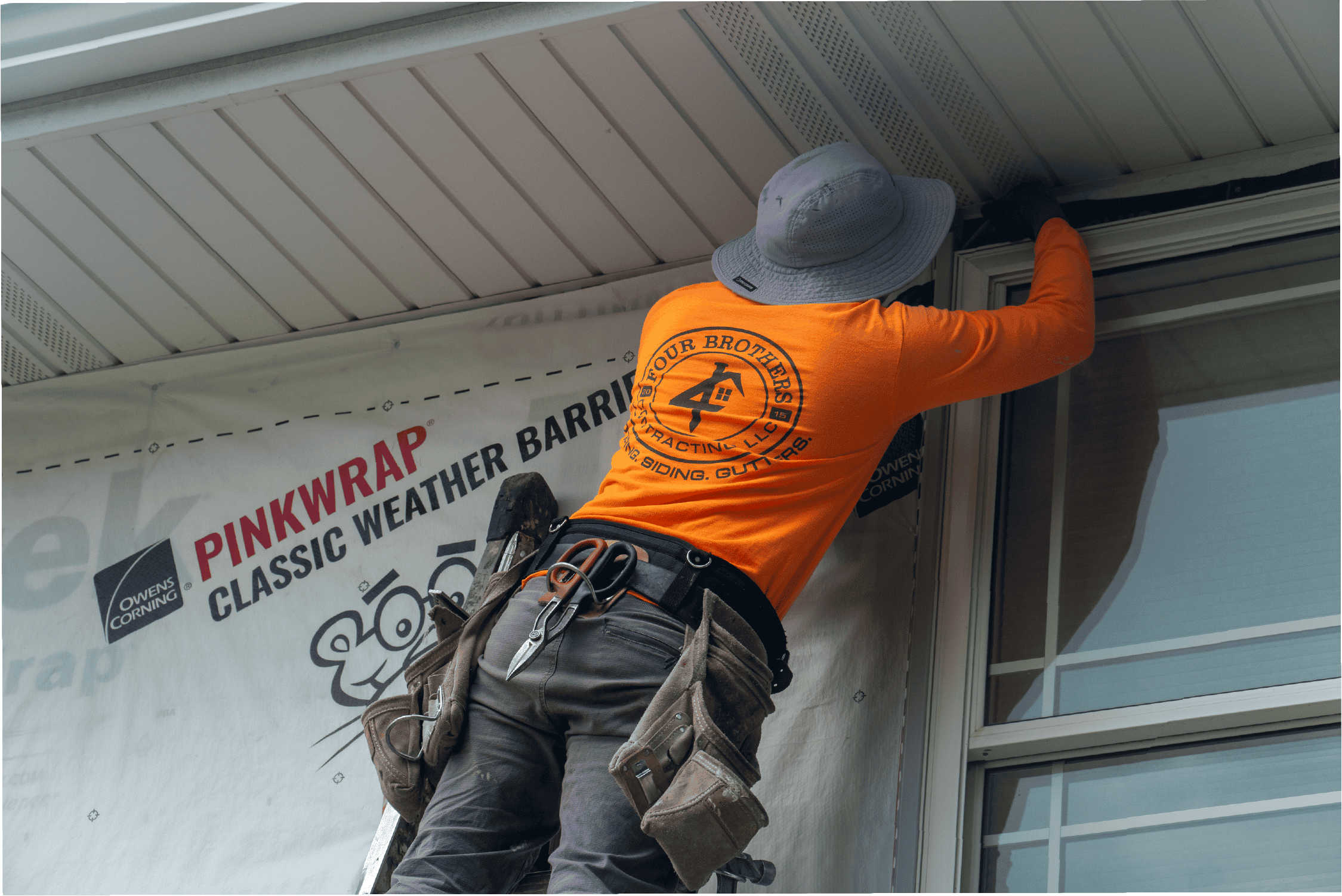
We install trusted siding products, including vinyl siding, LP SmartSide, aluminum soffit and fascia, trim, housewrap, and accessories designed for long-lasting exterior protection.
We protect landscaping, keep the work area organized, and clean up the property when the project is complete.
We keep homeowners informed throughout the project so they know what is happening, what we find, and how the work is progressing.
4 Brothers Contracting is a local exterior contractor serving the Lake Country area. We stand behind our work and care about our reputation in the communities we serve.
Areas We Serve
Select your city for local roofing, siding, windows & gutter services
- Ashippun, WI
- Big Bend, WI
- Brookfield, WI
- Brown Deer, WI
- Burlington, WI
- Butler, WI
- Cedarburg, WI
- Chenequa, WI
- Concord, WI
- Cudahy, WI
- Delafield, WI
- Dousman, WI
- Eagle, WI
- East Troy, WI
- Elkhorn, WI
- Elm Grove, WI
- Fort Atkinson, WI
- Franklin, WI
- Germantown, WI
- Glendale, WI
- Grafton, WI
- Greendale, WI
- Greenfield, WI
- Hales Corners, WI
- Hartland, WI
- Helenville, WI
- Ixonia, WI
- Jackson, WI
- Jefferson, WI
- Johnson Creek, WI
- Lac La Belle, WI
- Lannon, WI
- Menomonee Falls, WI
- Mequon, WI
- Merton, WI
- Milwaukee, WI
- Mukwonago, WI
- Nashotah, WI
- Neosho, WI
- New Berlin, WI
- New Lisbon, WI
- North Lake, WI
- North Prairie, WI
- Oak Creek, WI
- Oconomowoc, WI
- Okauchee Lake, WI
- Okauchee, WI
- Palmyra, WI
- Pewaukee, WI
- Port Washington, WI
- Richfield, WI
- Shorewood, WI
- Slinger, WI
- South Milwaukee, WI
- Stonebank, WI
- Sullivan, WI
- Summit Corners, WI
- Summit, WI
- Sussex, WI
- Thiensville, WI
- Wales, WI
- Waterford, WI
- Watertown, WI
- Waukesha, WI
- Wauwatosa, WI
- West Allis, WI
- West Bend, WI
- Whitefish Bay, WI